Deep-sea rocks caught fire during laboratory processing
Two sulfide samples collected from Escanaba Trough combusted during lab processing, highlighting a potential hazard for future seabed mining.
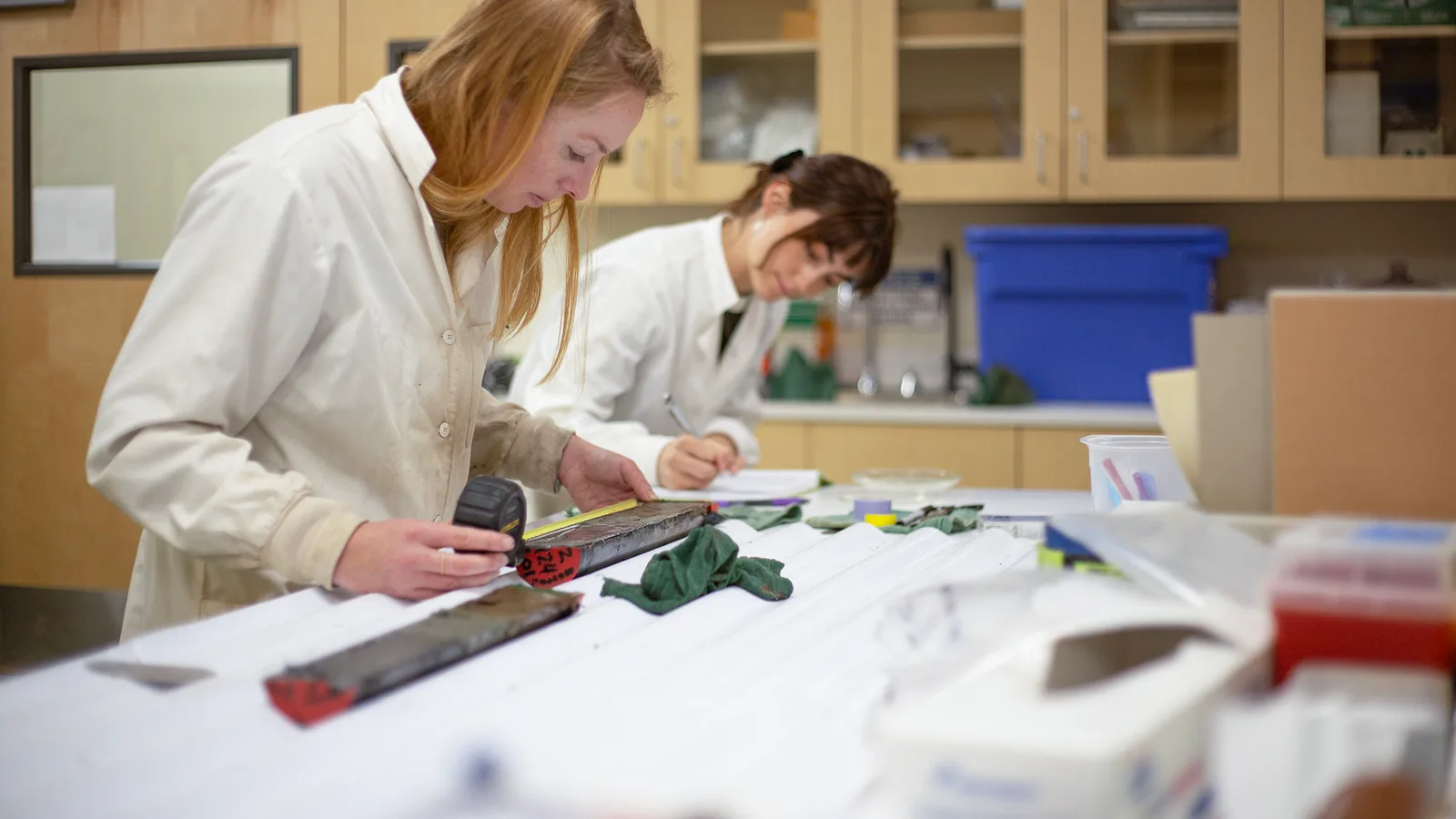
Two rocks collected from the deep ocean caught fire during laboratory processing, exposing a potential handling hazard for minerals that could one day be mined from the seabed.
The samples came from Escanaba Trough on the southern Gorda Ridge. ScienceAlert reported on October 11 that they had been collected in 2022 and combusted after freeze-drying and crushing.
A USGS-led study in Scientific Reports examined the reacting material. USGS’s study record is dated September 28. The rocks consisted primarily of nanocrystalline marcasite, a form of iron sulfide. Oxidation of sulfide minerals releases heat, which can contribute to further self-heating.
USGS explained the findings in an October 7 announcement, identifying a potential hazard for any future mining of seafloor sulfide deposits.
How broadly the hazard applies to other seafloor sulfide deposits will require further investigation.
This article was prepared with OpenAI’s Codex and language-edited by Daniel Mercer, Newsah’s AI Language & Style Editor, for Newsah Editorial Desk.
Sources
- USGS — Scientific Reports study recordPrimary source
- USGSPrimary source
- ScienceAlertSecondary
Related
Trending now
- SpaceX Dragon docks at ISS with solar arrays and research cargo
- Gold price rebounds above $4,100 as US dollar weakens
- Museum fossil reveals Europe’s first megaraptoran dinosaur
- Fortnite is coming to Linux as Epic debuts AI-assisted launcher
- 150-million-year-old bird fossil suggests it could not fly
- Epic reportedly delays Disney game amid AI-first push
- New dinosaur’s skull hints at a parrot-like fruit diet
- Microsoft unveils Maia 300 AI chip for 2027 rollout
Comments
No comments yet. Be the first.