Big dogs age faster in DNA study of 894 pets
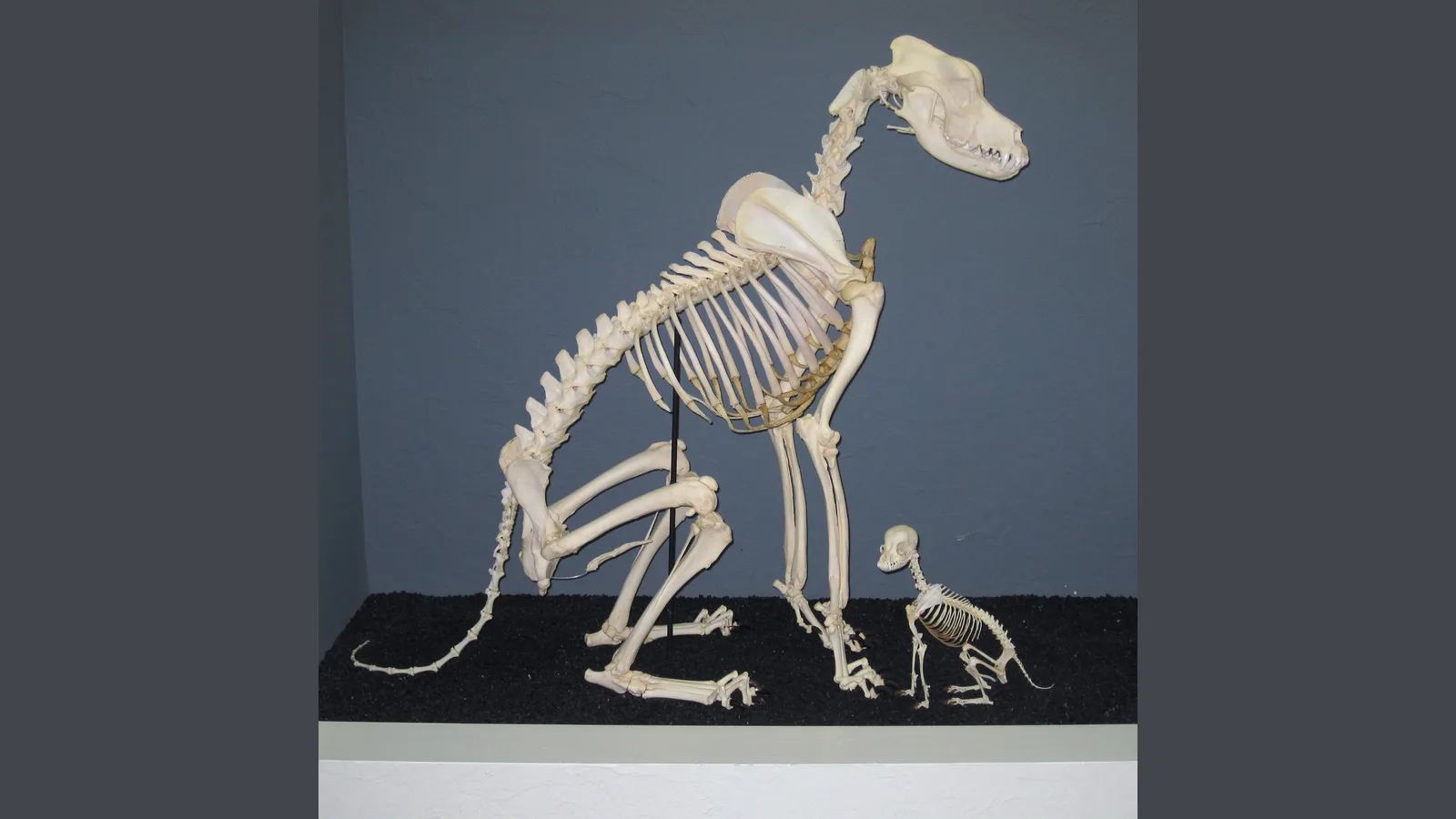
Large dogs tend to have shorter lives than small ones. A study of 894 dogs found that larger animals showed faster age-related changes in the chemical marks that help regulate their DNA.
Published in Science on October 8, the research analyzed 1,640 DNA methylation profiles. Methylation refers to chemical tags on DNA that help control gene activity. Those tags change with age, allowing researchers to build an “epigenetic clock” — an estimate of biological age based on the state of those marks.
The team built its clock from blood-sample DNA. Live Science reported that dogs whose molecular ages were older than expected also faced a greater subsequent risk of death. The clock connects changes in DNA regulation with survival, offering a measure of aging beyond chronological age.
The size-related differences were especially prominent around transposable elements, often called jumping genes: stretches of DNA capable of moving or copying within the genome. Arizona State University said the findings linked faster aging to reduced methylation around one class of these elements, known as LINE1.
Whether LINE1 activity helps drive aging or follows from it is still an open question, the university said.
The researchers also found faster molecular aging in male dogs, with sex-associated changes concentrated on the X chromosome. Epigenetic aging was fastest early in life.
Sources
- SciencePrimary source
- Arizona State UniversityPrimary source
- Live ScienceSecondary
Comments
No comments yet. Be the first.